
Expert guide to reading horse racing form covering speed figures, class levels, distance preferences, trainer patterns and track bias.
For newcomers to the world of horse racing, a form guide can look like a daunting collection of numbers and jargon. However, understanding how to read and analyze this information is the key to making informed betting decisions. This guide will break down the essential components of a horse racing form guide, helping you to unlock the valuable insights hidden within.
What is a Horse Racing Form Guide?
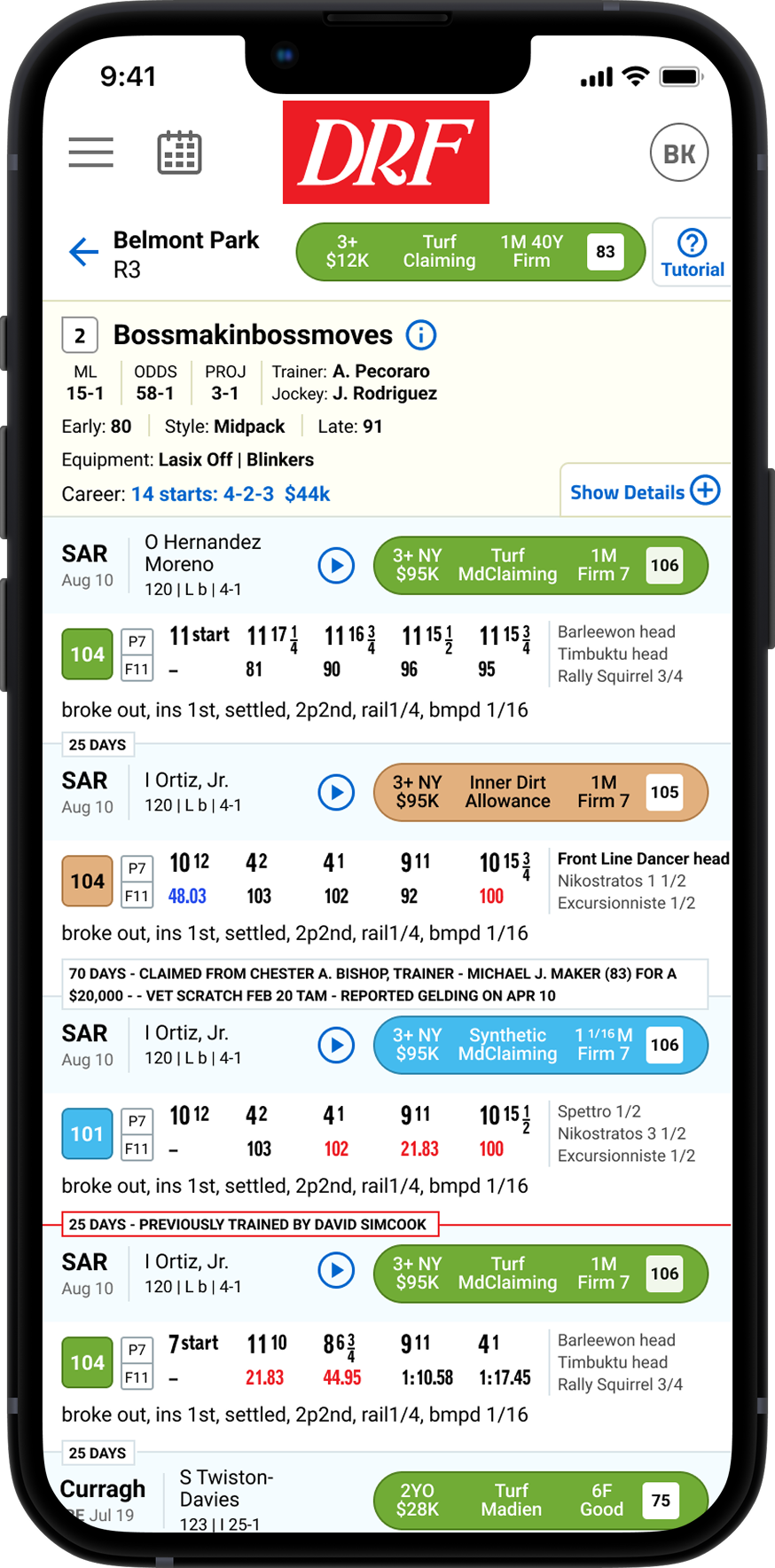
A horse racing form guide, often called the “form” or “past performances” (PPs), is a detailed record of a horse’s racing history. It provides a wealth of information designed to help bettors assess a horse’s potential in an upcoming race. This data includes everything from previous race results and jockey statistics to workout times and pedigree information.
Key Elements to Analyze in a Form Guide
To effectively analyze a form guide, you need to understand its key components. Here are some of the most important factors to consider:
Past Performances
This is the heart of the form guide. It shows how a horse has performed in its recent races. Look for:
- Finishing Position: Where the horse placed in its last few races.
- Margins: The distance by which the horse won or lost.
- Consistency: Does the horse consistently finish in the money (top three)?
Speed Figures
Speed figures, such as the widely used Beyer Speed Figures, are a numerical representation of a horse’s performance in a race. A higher number indicates a faster performance. Comparing the speed figures of different horses in a race can be a powerful handicapping tool.

Jockey and Trainer Statistics
The people behind the horse play a crucial role in its success. The form guide will provide statistics for both the jockey and the trainer, including their win percentages. A top jockey or a trainer on a hot streak can be a positive sign.
Class and Distance
Races are categorized by class, which indicates the quality of the horses competing. Consider whether a horse is moving up or down in class. Additionally, check the horse’s record at the race’s distance. Some horses are sprinters, while others excel at longer distances.
Advanced Form Guide Analysis Techniques
Once you’ve mastered the basics, you can start to incorporate more advanced techniques into your analysis:
Identifying Track Bias
Some tracks may favor horses with a certain running style (e.g., front-runners) or those that run on a particular part of the track (e.g., the rail). Being able to identify and account for track bias can give you a significant edge.

Pedigree Analysis
A horse’s breeding can provide clues about its potential, especially in terms of its preferred surface (dirt or turf) and distance. The form guide will list the horse’s sire and dam, allowing you to research their racing history.
Conclusion
Analyzing a horse racing form guide is a skill that takes time and practice to develop. However, by focusing on the key elements outlined in this guide, you can start to make more informed and confident betting decisions. Remember to look for patterns, consider all the variables, and, most importantly, have fun!
Editorial Review: This guide has been reviewed by the editorial team for clarity, practical value, mobile usability, payment safety, and safer decision-making.