Tennis is not just a globally celebrated sport but also a major arena for sports betting, second only to football in popularity. The tennis season spans from January to November, offering a daily slate of matches across various tours and tournament levels. This constant action provides ample opportunities for betting, but turning a profit requires more than just a passing interest. A disciplined, strategic approach is crucial. This guide delves into the essential strategies and analytical factors, from surface analysis to in-play betting, to help you make more informed and successful tennis wagers.
Key Factors in Tennis Betting Analysis
To move beyond casual betting, you must analyze several key factors that influence the outcome of a match. These elements provide the foundation for any robust betting strategy, allowing you to spot value and make predictions with greater confidence.
Understanding Court Surfaces
Tennis is unique for its variety of playing surfaces, each of which dramatically affects ball speed, bounce, and player strategy. Understanding these nuances is fundamental. The three main surfaces are:
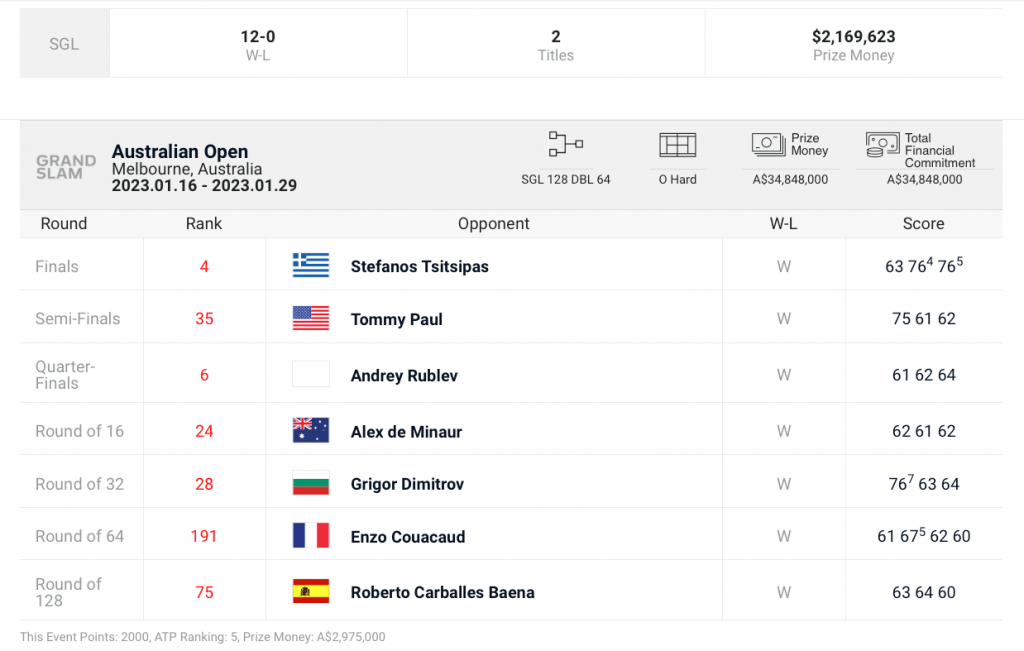
- Hard Courts: The most common surface, offering a medium-fast pace and consistent bounce. It’s a neutral ground where both powerful servers and agile baseliners can find success. Two Grand Slams (the Australian Open and US Open) are played on hard courts.
- Clay Courts: The slowest surface, resulting in higher bounces and longer rallies. It favors defensive players with exceptional stamina and topspin, like Rafael Nadal. The French Open is the premier clay-court tournament.
- Grass Courts: The fastest surface with the lowest bounce. It rewards players with big serves and a strong net game. The grass season is short, culminating in Wimbledon.

Player Form and Head-to-Head Records
A player’s recent performance is a strong indicator of their current confidence and physical condition. Betting on a player in the midst of a losing streak is a risky proposition. Analyze their results over the past few weeks, paying attention to the quality of their opponents and the surfaces they played on. Additionally, the head-to-head (H2H) record between two players can reveal psychological or stylistic advantages that one player holds over another, which may not be immediately obvious from their overall rankings.
Motivation and Tournament Importance
Not all tournaments are created equal. A top player might be less motivated for a smaller ATP 250 event, especially if it precedes a Grand Slam or a Masters 1000 tournament. Conversely, some players consistently perform well at specific tournaments due to factors like home-crowd support or favorable conditions. For example, John Isner’s repeated success at the Atlanta Open is a testament to his motivation when playing on home soil. Gauging a player’s motivation for a particular event is a subtle but critical part of the analytical process.
Effective Tennis Betting Strategies
Once you have a grasp of the key analytical factors, you can apply more specific betting strategies to identify value in the markets.
Set Betting and Handicap Markets
Instead of simply betting on the match winner, consider alternative markets. Set betting (predicting the exact score in sets, e.g., 2-0 or 2-1) can offer better odds if you have a strong conviction about how the match will unfold. Handicap betting (or spread betting) is another valuable tool. Here, the favorite is given a negative game handicap to overcome, while the underdog gets a positive game handicap. This is particularly useful in matches with a clear favorite, allowing you to bet on the underdog to keep the match close even if they don’t win.
Live Betting (In-Play) Opportunities
Live betting allows you to place wagers while the match is in progress. This dynamic market offers unique opportunities. By watching the match, you can assess a player’s form, energy levels, and tactical adjustments in real-time. Momentum shifts are common in tennis, and a player who loses the first set can often fight back to win. Live betting allows you to capitalize on these shifts, often at more favorable odds than were available pre-match.
Analyzing External Variables
Don’t overlook environmental factors. Weather conditions like extreme heat, wind, or humidity can significantly impact play. Heat can increase the ball’s bounce and speed, favoring aggressive players, while wind can disrupt a player’s timing and serve. Altitude is another crucial variable; at higher altitudes, the air is less dense, causing the ball to travel faster and bounce higher, which gives a significant advantage to players with powerful serves.

Successful tennis betting is a game of skill, not just chance. By diligently analyzing court surfaces, player matchups, and external variables, you can significantly improve your predictive accuracy. Start with the basics, gain experience, and gradually incorporate more advanced strategies into your approach. Remember to always bet responsibly and never wager more than you can afford to lose. With a disciplined and analytical mindset, you can enhance your enjoyment of the sport and potentially turn a consistent profit.